Invisalign Treatment
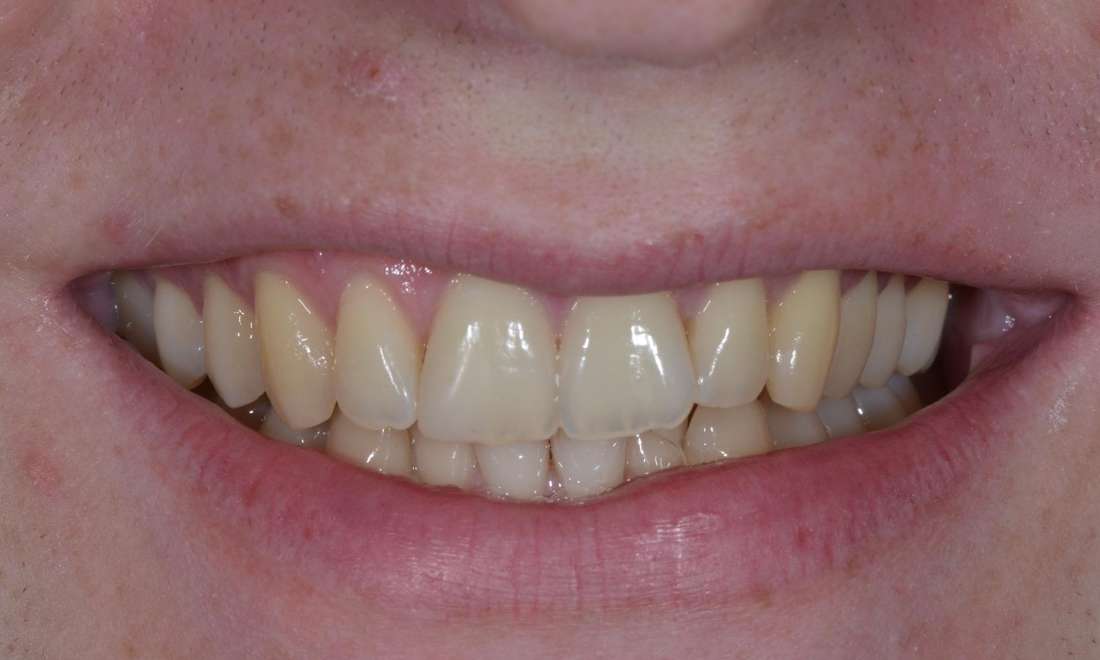
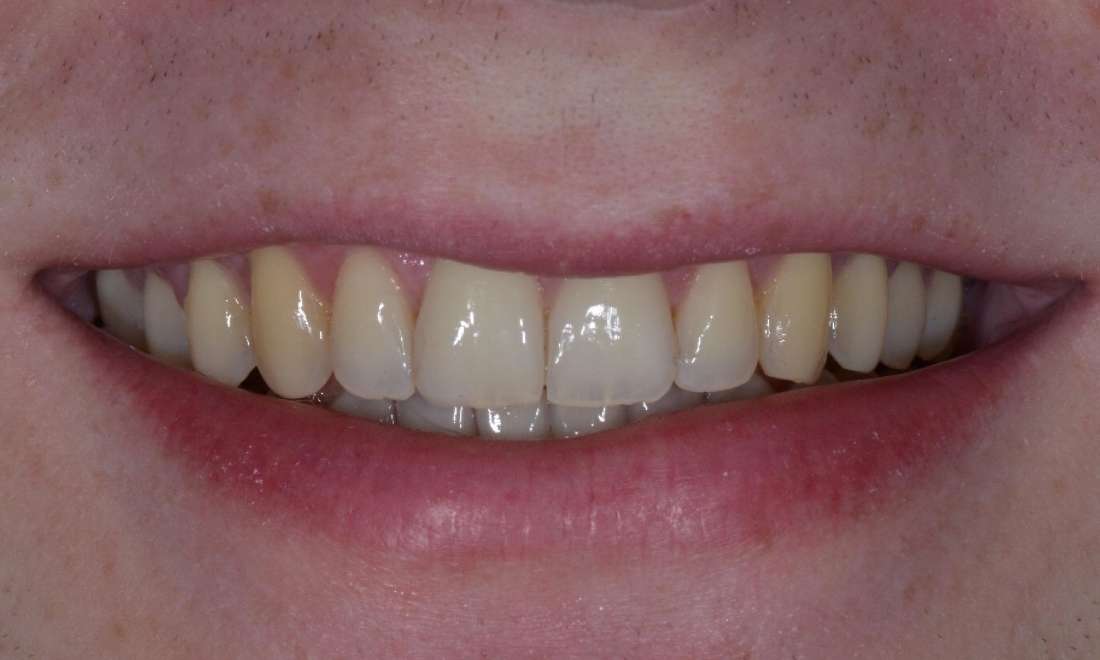
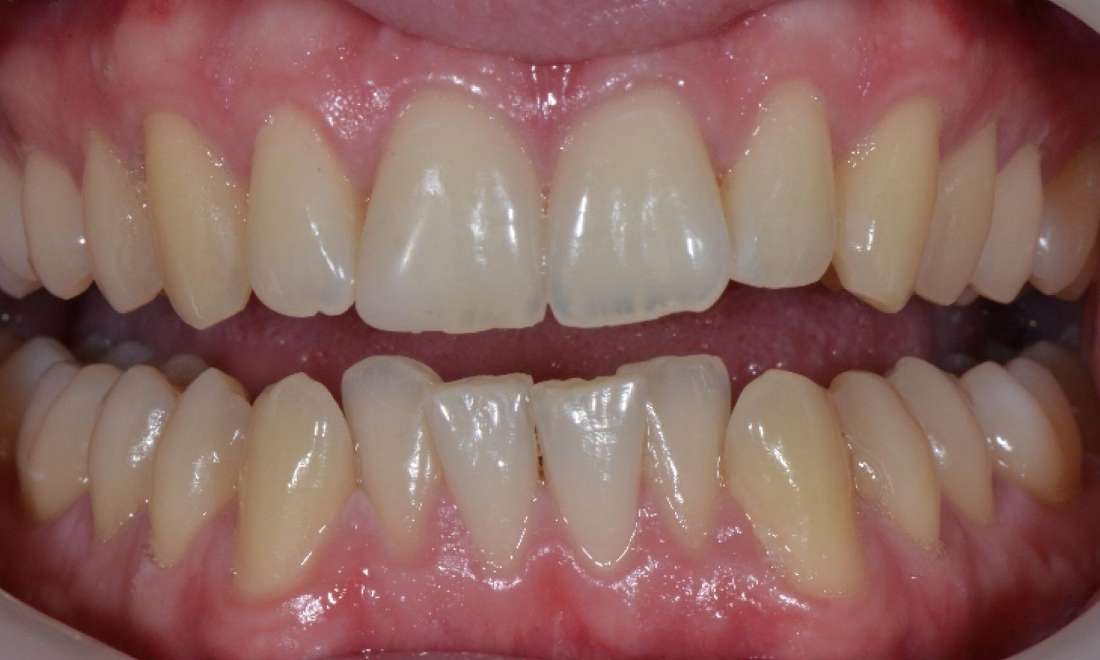
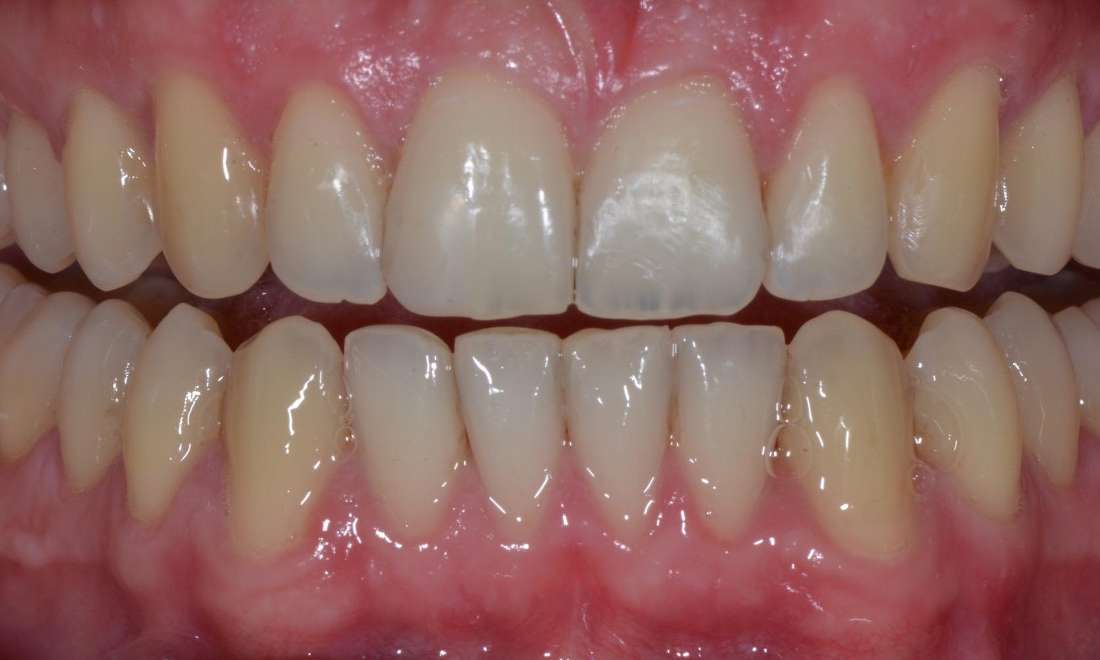
This patient attended our practice with concerns about general crowding in the upper and lower teeth. They wanted to improve the alignment of their smile and explore a treatment option that suited their lifestyle and goals.
Creating a Personalised Digital Treatment Plan
We began with a comprehensive consultation and assessment to understand the patient’s concerns and determine suitable treatment options. Using intraoral scans, we captured detailed digital images of the teeth without the need for traditional impressions.
These scans allowed us to plan treatment digitally and map out the proposed tooth movements with precision.
Planning Ideal Tooth Positions
During the planning stage, we digitally positioned the teeth into their ideal alignment based on the patient’s individual needs, bite and smile goals. This process helped us visualise the intended outcome and create a customised treatment pathway.
As every smile is different, treatment planning considered both appearance and function.
Straightening Teeth with Clear Aligners
Once the plan was finalised, treatment proceeded with clear aligners. The patient wore a series of custom-made aligners that gradually moved the teeth into the planned positions over time.
Clear aligners offered a discreet orthodontic option and could be removed for eating, brushing and flossing.
The Patient's Unique Result
As treatment progressed, the crowding improved and the teeth moved into better alignment. The result was a smile that looked more balanced and was easier to clean and maintain.
The patient felt pleased with the outcome.
Important Considerations
Suitability for Invisalign depends on individual factors such as tooth position, bite concerns and oral health. A thorough consultation is required to determine the most appropriate treatment options for each person.
Case performed by Dr Matthew Pulvirenti.