
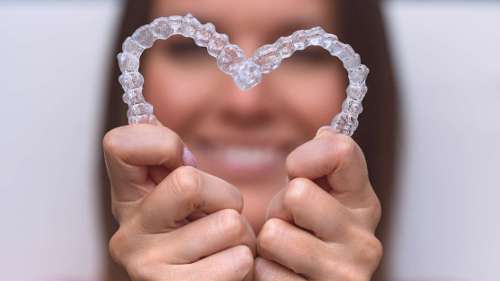
Clear aligners are a popular teeth straightening option, but not everyone qualifies for Invisalign® treatment. Your dentist evaluates multiple factors beyond simply wanting straighter teeth. Understanding the eligibility basics can help you approach your consultation with realistic expectations about whether Invisalign suits your unique needs.
1. The Clinical Severity of Your Malocclusion
Invisalign is designed to address mild to moderate crowding, spacing issues and minor bite problems, including slight overbites, underbites or crossbites. However, severe malocclusions, such as significant jaw misalignment, extreme crowding or complex bite issues, often require traditional orthodontics or surgical intervention. The limitations aren't about Invisalign's effectiveness; they're about physics and the degree of force needed to move teeth in certain directions.
2. Patient Compliance and Dedication
Effective clear aligner treatment requires wearing them 20–22 hours daily and removing them only for eating and oral hygiene. Unlike fixed braces that work regardless of patient cooperation, Invisalign's effectiveness depends entirely on consistent wear. If you're unlikely to maintain this schedule, whether due to lifestyle, forgetfulness or other factors, traditional braces might produce more predictable results.
3. Periodontal and Oral Health Status
Active gum disease, untreated decay or other oral health issues must be resolved before beginning Invisalign treatment. Moving teeth through unhealthy gums can accelerate periodontal problems and compromise treatment outcomes. Your dentist will address these conditions first, ensuring your mouth can safely handle the controlled forces of teeth straightening.
4. Previous Dental Work
Existing restorations, dental implants or bridges affect how teeth can be moved. Implants are fixed in position and cannot be repositioned, which may limit treatment options. Large crowns or bridges can prevent aligners from gripping teeth effectively. These restorations don't necessarily disqualify you from Invisalign, but they require careful treatment planning and may influence which movements are achievable.
5. Age and Growth Status (For Younger Patients)
While Invisalign treats patients of various ages, younger patients must have all permanent teeth erupted and have completed most jaw growth. This typically occurs around age 12–14, though individual development varies. For younger children still losing baby teeth or experiencing significant growth, traditional orthodontics might be more appropriate. There's no upper age limit for Invisalign. Adults of any age can pursue clear aligner treatment if they meet other eligibility criteria.
Wondering if you're a candidate for Invisalign? We invite you to contact Edward St Dental in Brisbane to book your evaluation and discuss your teeth straightening options.