Trying to envision the final results of dental treatment during a consultation can feel like finding your way in the dark with your eyes closed. Your dentist explains what crown lengthening or gum recontouring are, but what will the final results actually look like?
Digital smile design has significantly enhanced how dentists communicate treatment possibilities and outcomes to patients. This treatment planning approach takes vague clinical concepts and turns them into visual previews designed to help patients better understand and evaluate.
The Diagnostic Foundation: Why Photos and Videos Are Essential Data
Traditional dental records relied heavily on impressions and x-rays. These are valuable diagnostic tools, but they don’t give the detail needed to envision how dental treatment will affect one's overall facial appearance.
Digital smile design in Brisbane uses photographs, videos and high-resolution images capturing your teeth from multiple angles, showing how they currently appear when you smile, speak and relax. Videos capture your natural facial movements and expressions, revealing relationships that static images often miss.
Beyond Static Models
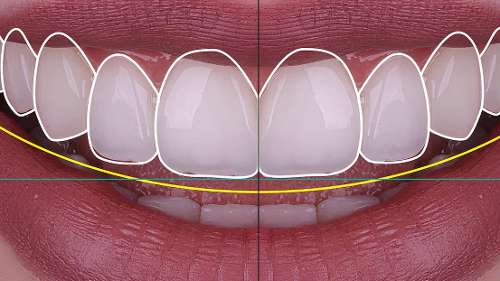
Physical models show tooth position, but they exist in isolation from your face. Digital smile design overlays proposed changes onto photographs of your own smile, showing how new veneers or orthodontic adjustments may look within the context of your facial structure and proportions.
This view can help provide context and identify aesthetic issues. Does the proposed tooth shape complement your lip line? What impact will spacing changes have on your overall smile and appearance?
Data Integration: Creating the Digital Model in Brisbane
Digital smile design software uses multiple data sources to develop a comprehensive model. Intraoral scans use precise three-dimensional mapping of your teeth and gums, and photos of your face show aesthetic context and proportions.
Jaw movement recordings show how your bite functions dynamically. The software processes this information, creating a digital model that reflects structural reality and aesthetic goals. This integration allows your dentist to design changes that address functional requirements while maintaining natural appearance.
The Co-Design Process: Translating Goals into Clinical Parameters
Digital smile design is a collaboration that makes you an active participant in your treatment plan. You can watch your dentist adjust tooth length, shape, colour and position on screen, so you can envision different options and compare them in real-time.
This co-design process transforms vague wants and desires like 'I want a natural-looking smile' into specific, measurable results. You might find that what you initially wanted, such as very white and very uniform teeth, doesn't suit your facial features as well as a more 'perfectly imperfect' option. Digital smile design makes these comparisons concrete, helping you specify preferences you might not have known you had until seeing the options side by side.
The Mock-Up and Prototype: A Predictable Trial Run
Once you've approved the digital design, many dentists create physical mock-ups, temporary restorations that replicate the proposed final result. This prototype allows you to live with your new smile design for days or weeks before committing to final changes. You can evaluate how it feels when speaking, whether tooth length affects your lip position and if the overall appearance matches your expectations in different lighting and situations.
The mock-up phase often reveals adjustments that weren't apparent on screen. Perhaps you'd prefer slightly shorter teeth for comfort, or you notice the colour needs modification. These refinements happen before any final work begins, ensuring the final restorations meet both clinical standards and your personal preferences.
Enhancing Informed Consent: Seeing the 'Why' Before the 'How'
Digital smile design improves informed consent by making the treatment rationale visible. When your dentist recommends crown lengthening, you can see exactly how exposed tooth structure affects the final aesthetic. If orthodontic treatment is suggested before veneers, the digital model demonstrates why tooth position matters for personalised results.
Understanding the reasoning behind each recommended procedure can help you make informed decisions about your treatment. You're not simply agreeing to a list of procedures; you're approving a plan you've helped create and can visualise. This clarity may reduce uncertainty and help ensure your expectations align with what's clinically achievable.
Ready to explore how digital smile design can inform your treatment planning? The team at Edward St Dental in Brisbane is ready to help you book your consultation and experience collaborative treatment design. You can call us on (07) 3221 5855 or book online here.